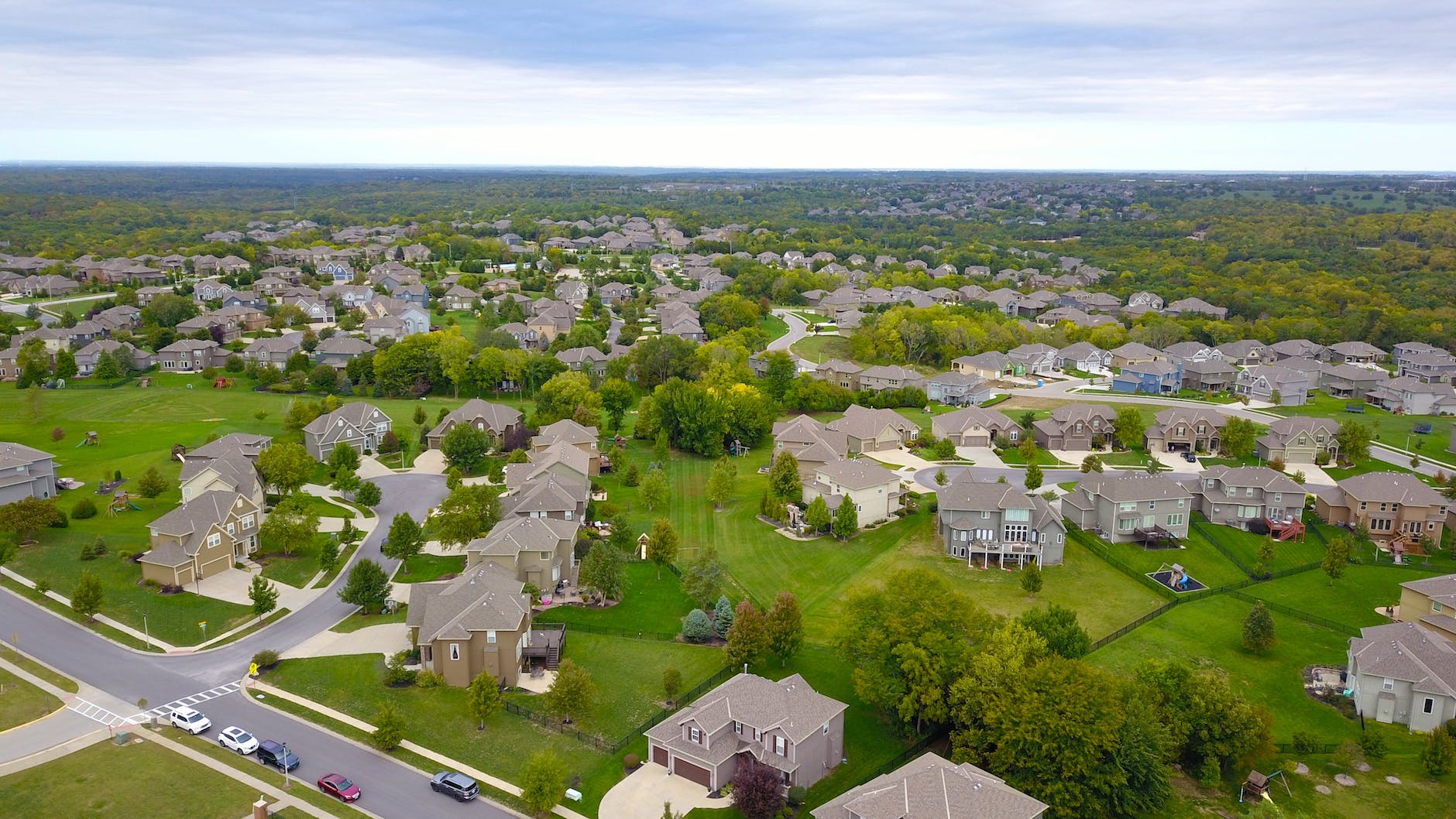
When it comes to choosing a new neighborhood, the decision is about more than just finding a place to live. Your neighborhood sets the stage for your daily life, influencing your sense of community, quality of life, and overall happiness. Whether you’re relocating to a new city or simply looking to change your surroundings, this guide will help you navigate the process of choosing the perfect neighborhood for you and your family.
- Define Your Priorities: Before diving into the search, take some time to reflect on your priorities and what you value in a neighborhood. Are you looking for a quiet and peaceful environment or a vibrant and bustling urban area? Consider factors such as safety, proximity to schools and amenities, commute times, and access to parks or recreational facilities. Identifying your priorities will help you narrow down your options and make a more informed decision.
- Research the Local Real Estate Market: Get to know the local real estate market in the areas you’re considering. Look at property values, housing trends, and rental rates to ensure the neighborhood is within your budget. If you’re planning to buy a home, consider the potential for appreciation in property value over time. Researching the market will give you a better understanding of what to expect and help you make a financially sound decision.
- Explore the Surrounding Amenities: Evaluate the amenities available in and around the neighborhood. Are there grocery stores, shopping centers, restaurants, and entertainment options nearby? Consider the availability of healthcare facilities, parks, libraries, and recreational spaces as well. Access to these amenities can greatly enhance your quality of life and convenience.
- Assess the School District: If you have children or plan to start a family, the quality of the local school district becomes a crucial factor. Research the performance of the schools in the area, including their academic reputation and extracurricular offerings. Look for proximity to schools and consider visiting the campuses if possible. A strong education system can provide your children with a solid foundation for their future.
- Consider Safety and Crime Rates: Feeling safe and secure in your neighborhood is of utmost importance. Look into the local crime rates and safety statistics to gauge the overall security of the area. You can check online resources, consult with local law enforcement agencies, or speak with current residents to get a sense of the safety levels in the neighborhood.
- Explore Transportation and Commute Options: Evaluate the transportation options available in the area. Consider proximity to public transportation, major highways, and the average commute times to your workplace or other essential destinations. A convenient commute can significantly reduce stress and improve your overall well-being.
- Get a Feel for the Community: Visit the neighborhood at different times of the day to experience its ambiance and character. Take a stroll or drive around the area to get a feel for the community. Observe the cleanliness, upkeep of properties, and the friendliness of the neighbors. Consider joining local community groups or online forums to connect with residents and gather firsthand insights about the neighborhood.
- Plan for the Future: As you choose a new neighborhood, think about your long-term plans and goals. Are you looking for a place to settle down for years to come, or do you anticipate a potential relocation in the near future? Assess the potential for growth and development in the neighborhood, as well as any major infrastructure projects that may impact the area in the future.
Conclusion: Choosing a new neighborhood is an exciting endeavor that requires careful consideration. By defining your priorities, researching the market, evaluating amenities, and assessing factors like safety, schools, transportation, and community, you’ll be equipped to make an informed decision. Remember, the perfect neighborhood is the one that aligns with your lifestyle, values, and aspirations.