• The Ultimate Listing Checklist

    Checklist for Listing Your Home for Sale:

    • Declutter and organize: Remove personal items, excess furniture, and clutter to create a clean and spacious look.
    • Deep clean: Clean every room thoroughly, paying attention to floors, walls, windows, and fixtures. Consider professional cleaning services if needed.
    • Repairs and maintenance: Fix any visible issues such as leaky faucets, broken tiles, or chipped paint. Ensure all major systems (plumbing, electrical, HVAC) are in good working condition.
    • Enhance curb appeal: Make a positive first impression by sprucing up the exterior. Clean the driveway, mow the lawn, trim hedges, and consider adding potted plants or fresh flowers near the entrance.
    • Stage your home: Arrange furniture and decor to showcase each room’s functionality and create an inviting atmosphere. Depersonalize as much as possible to help potential buyers envision themselves living in the space.
    • Consider professional photography: Hire a professional photographer to capture high-quality images of your home for online listings and marketing materials. Good visuals can attract more potential buyers.
    • Gather important documents: Collect documents related to your property, such as property deeds, permits, warranties, and maintenance records. Buyers may request these during the negotiation process.
    • Price your home: Research the local real estate market and work with a real estate agent to determine an appropriate listing price based on comparable sales in your area.
    • Write an appealing listing description: Craft a compelling description highlighting the unique features and selling points of your home. Mention any recent updates, nearby amenities, and desirable neighborhood characteristics.
    • Market your listing: Utilize various marketing channels to promote your home, including online listings, social media, signage, and word-of-mouth. Consider hosting open houses or virtual tours to attract potential buyers.
    • Respond to inquiries promptly: Stay accessible and respond to inquiries or showing requests promptly. Be flexible with scheduling showings to accommodate potential buyers.
    • Consider professional home inspection: Conduct a pre-listing home inspection to identify any issues beforehand and address them proactively. This can provide peace of mind to potential buyers and streamline the negotiation process.
    • Negotiate and finalize the sale: Review offers with your real estate agent, negotiate terms, and finalize the sale agreement. Ensure all necessary legal and financial steps are completed.
    • Prepare for the closing process: Collaborate with your real estate agent, attorney, and mortgage lender to gather all necessary documents, complete inspections, and fulfill any remaining requirements for a smooth closing.
    • Plan your move: Start decluttering and packing non-essential items well in advance. Arrange for a moving company or make necessary arrangements to move your belongings to your new home.

    Remember to contact the Hallman Home Team to tailor this checklist to your specifications.
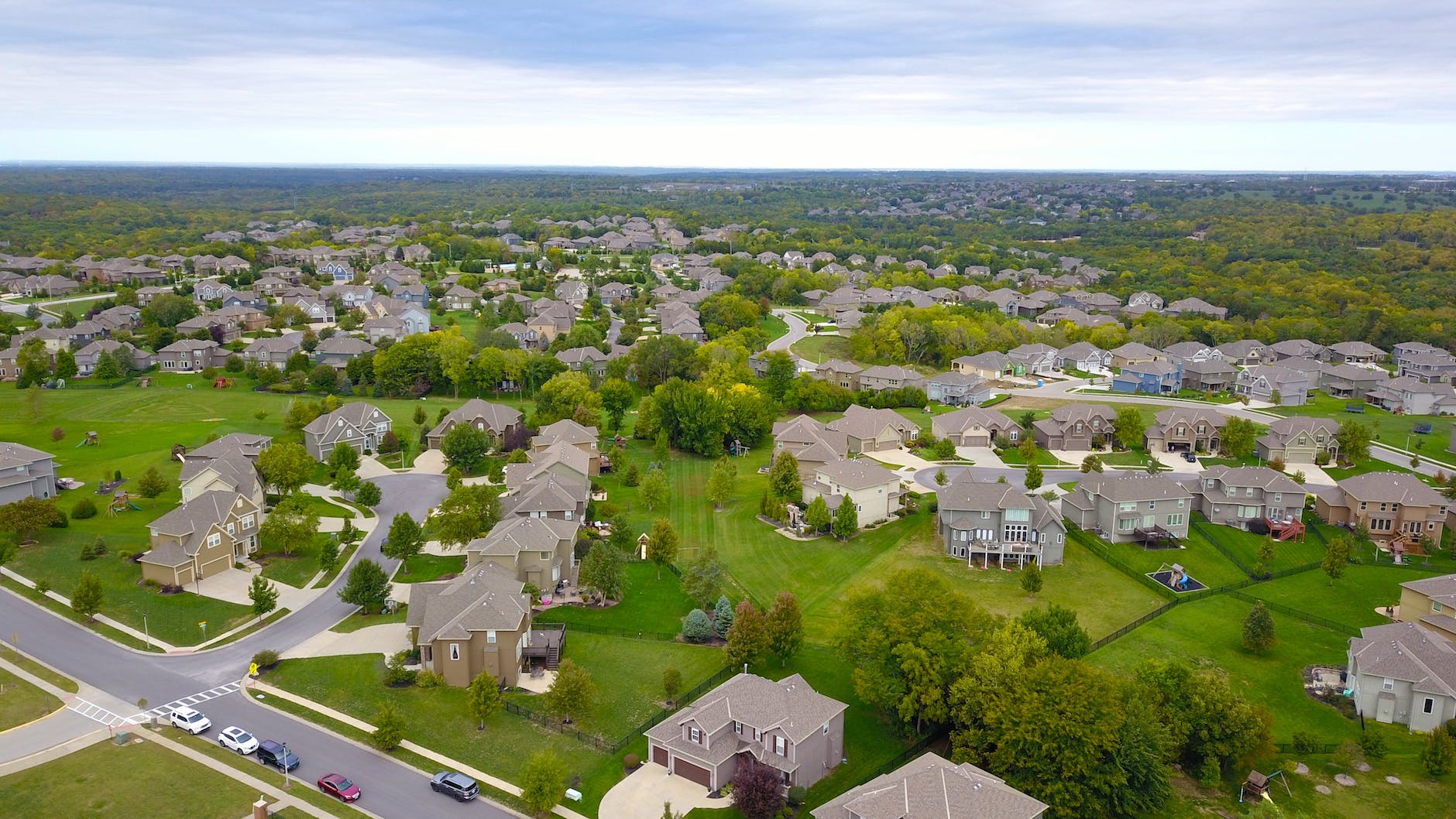
  • Choosing Your Ideal Neighborhood: A Guide to Finding Your Perfect Home

    When it comes to choosing a new neighborhood, the decision is about more than just finding a place to live. Your neighborhood sets the stage for your daily life, influencing your sense of community, quality of life, and overall happiness. Whether you’re relocating to a new city or simply looking to change your surroundings, this guide will help you navigate the process of choosing the perfect neighborhood for you and your family.

    1. Define Your Priorities: Before diving into the search, take some time to reflect on your priorities and what you value in a neighborhood. Are you looking for a quiet and peaceful environment or a vibrant and bustling urban area? Consider factors such as safety, proximity to schools and amenities, commute times, and access to parks or recreational facilities. Identifying your priorities will help you narrow down your options and make a more informed decision.
    2. Research the Local Real Estate Market: Get to know the local real estate market in the areas you’re considering. Look at property values, housing trends, and rental rates to ensure the neighborhood is within your budget. If you’re planning to buy a home, consider the potential for appreciation in property value over time. Researching the market will give you a better understanding of what to expect and help you make a financially sound decision.
    3. Explore the Surrounding Amenities: Evaluate the amenities available in and around the neighborhood. Are there grocery stores, shopping centers, restaurants, and entertainment options nearby? Consider the availability of healthcare facilities, parks, libraries, and recreational spaces as well. Access to these amenities can greatly enhance your quality of life and convenience.
    4. Assess the School District: If you have children or plan to start a family, the quality of the local school district becomes a crucial factor. Research the performance of the schools in the area, including their academic reputation and extracurricular offerings. Look for proximity to schools and consider visiting the campuses if possible. A strong education system can provide your children with a solid foundation for their future.
    5. Consider Safety and Crime Rates: Feeling safe and secure in your neighborhood is of utmost importance. Look into the local crime rates and safety statistics to gauge the overall security of the area. You can check online resources, consult with local law enforcement agencies, or speak with current residents to get a sense of the safety levels in the neighborhood.
    6. Explore Transportation and Commute Options: Evaluate the transportation options available in the area. Consider proximity to public transportation, major highways, and the average commute times to your workplace or other essential destinations. A convenient commute can significantly reduce stress and improve your overall well-being.
    7. Get a Feel for the Community: Visit the neighborhood at different times of the day to experience its ambiance and character. Take a stroll or drive around the area to get a feel for the community. Observe the cleanliness, upkeep of properties, and the friendliness of the neighbors. Consider joining local community groups or online forums to connect with residents and gather firsthand insights about the neighborhood.
    8. Plan for the Future: As you choose a new neighborhood, think about your long-term plans and goals. Are you looking for a place to settle down for years to come, or do you anticipate a potential relocation in the near future? Assess the potential for growth and development in the neighborhood, as well as any major infrastructure projects that may impact the area in the future.

    Conclusion: Choosing a new neighborhood is an exciting endeavor that requires careful consideration. By defining your priorities, researching the market, evaluating amenities, and assessing factors like safety, schools, transportation, and community, you’ll be equipped to make an informed decision. Remember, the perfect neighborhood is the one that aligns with your lifestyle, values, and aspirations.

  • Finding the Best Real Estate Agent to List Your Home: A Comprehensive Guide

    When it comes to selling your home, one of the most crucial decisions you’ll make is choosing the right real estate agent to list your property. A skilled and experienced agent can make a significant difference in how quickly your home sells and the price you ultimately receive. With countless agents out there, finding the perfect match may seem daunting, but fear not! In this blog post, we’ll provide you with a comprehensive guide on how to find the best real estate agent to list your home.

    1. Research, Research, Research: Start by conducting thorough research on real estate agents in your area. Utilize online platforms, such as real estate websites and social media, to find agents who specialize in your neighborhood. Look for agents with a proven track record of success, positive reviews from clients, and a deep understanding of your local market.
    2. Seek Recommendations: Reach out to friends, family, and colleagues who have recently sold their homes. Ask for their recommendations and inquire about their experiences with specific agents. Personal referrals can be invaluable in finding trustworthy agents who have a history of delivering exceptional results.
    3. Interview Multiple Agents: Once you have a list of potential agents, schedule interviews with each of them. During these meetings, ask relevant questions to assess their expertise, marketing strategies, and communication skills. Inquire about their experience with properties similar to yours and how they plan to market your home effectively.
    4. Check Credentials and Experience: Verify the credentials and licenses of the agents you are considering. Look for certifications, such as Certified Residential Specialist (CRS) or Accredited Buyer’s Representative (ABR), which indicate a higher level of expertise. Additionally, consider the number of years an agent has been in the industry and their successful sales history.
    5. Evaluate Local Market Knowledge: A top-notch real estate agent should have a deep understanding of your local market. They should be familiar with recent sales trends, comparable properties, and the demand in your neighborhood. Ask about their knowledge of local schools, amenities, and community features that can enhance your property’s appeal.
    6. Request References: Don’t hesitate to ask agents for references from previous clients. Contact these references to gain insight into their experiences with the agent. Inquire about the agent’s negotiation skills, responsiveness, and overall satisfaction. A reputable agent will gladly provide references to showcase their successful transactions.
    7. Analyze Marketing Strategies: An effective agent will have a solid marketing plan to ensure maximum exposure for your home. Inquire about their strategies for online listings, professional photography, staging, and open houses. A proactive agent should also have a network of contacts, including potential buyers and other real estate professionals.
    8. Review Commission Structure: Discuss the agent’s commission structure upfront to avoid any misunderstandings later on. While the commission should not be the sole determining factor, it’s essential to understand how much you’ll be paying and what services are included. Compare the commission rates offered by different agents and consider the value they provide in return.
    9. Trust Your Instincts: Lastly, trust your instincts when selecting a real estate agent. Pay attention to their demeanor, professionalism, and how well they listen to your needs. A strong agent-client relationship built on trust and effective communication is crucial throughout the selling process.

    Choosing the best real estate agent to list your home is a critical step in achieving a successful sale. By conducting thorough research, seeking recommendations, interviewing multiple agents, and evaluating their credentials and market knowledge, you can increase your chances of finding the perfect match. Remember to trust your instincts and select an agent who understands your needs and has a proven track record of success. With the right agent by your side, you’ll be well on your way to a smooth and successful